
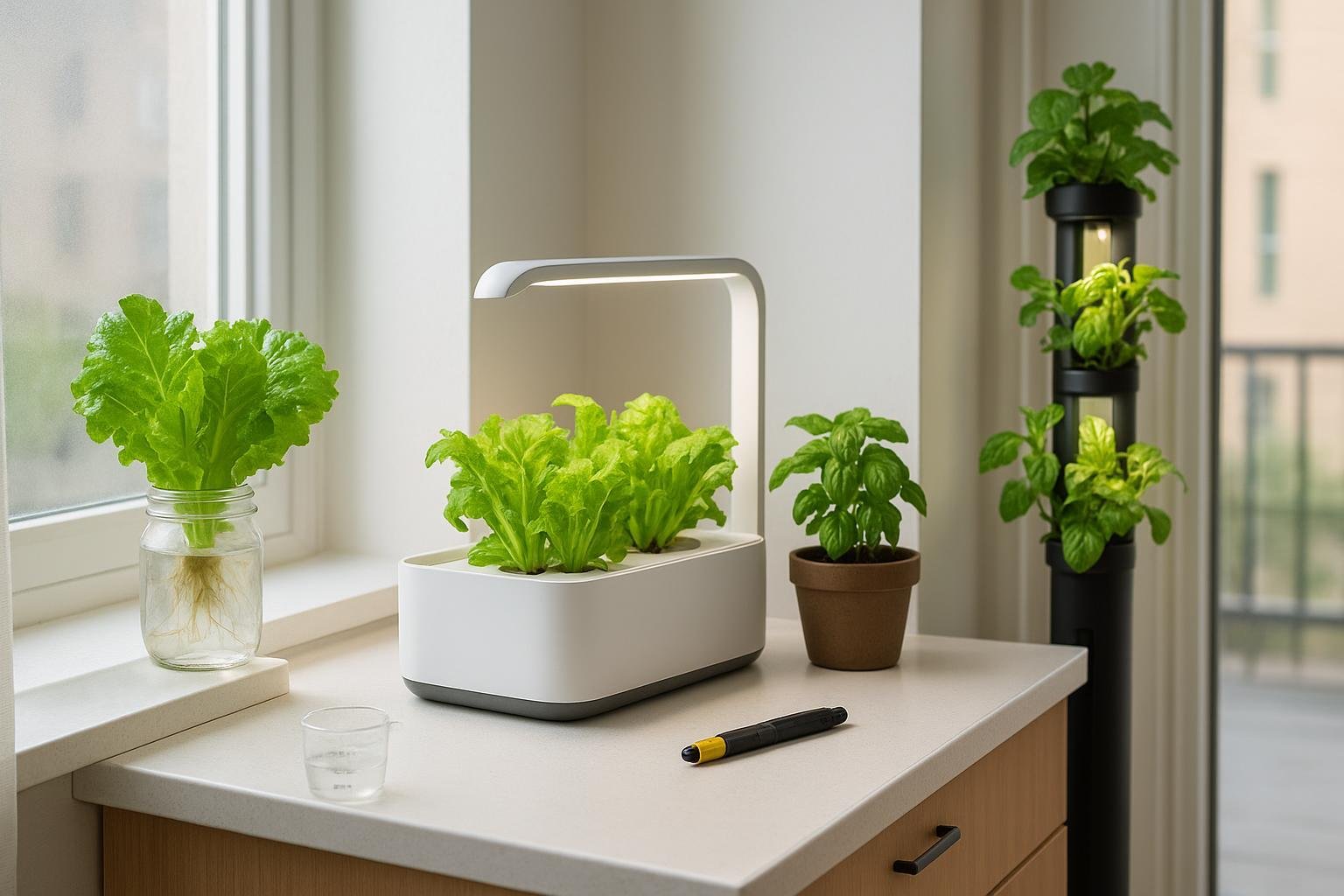
If you’ve got a windowsill, a countertop, or a tiny balcony, you can grow crisp greens and fragrant herbs with apartment hydroponics—no soil, less mess, and a fast path to your first harvest.
Key takeaways
Start simple with a Kratky jar or bucket this weekend; upgrade to a countertop kit or a compact vertical tower as space and confidence grow.
For leafy greens and herbs, aim for a daily light integral (DLI) around 15 mol/m²/day—often 14–18 hours under modest LEDs at 150–250 µmol/m²/s PPFD.
Keep pH roughly 5.5–6.5 and use a proven hydroponic nutrient; sanitize gear between cycles to prevent algae and pathogens.
Hydroponics can use substantially less water than soil when systems recirculate; exact savings vary by design and management, as summarized in extension and industry overviews.
What “apartment hydroponics” really means
Apartment hydroponics is simply home hydroponics tuned for small spaces, quiet operation, and low-risk setups. Instead of soil, roots sit in a nutrient solution that delivers water, minerals, and oxygen. Recirculating systems can reduce water use compared with soil—often reported from large savings to very high savings—though results depend on the system and crop. For a plain-language overview of mechanisms and claims, see this industry summary of water use with recirculating systems in the context of hydroponics vs. soil in the Eden Green explanation of water savings. Keep in mind that outcomes vary with crop type and design.
From a renter’s perspective, the draw is obvious: compact footprints, fast growth cycles for greens, and clean, controllable indoor growing. You’ll balance three constraints—space, lighting, and maintenance—while choosing among three starter paths: passive Kratky, plug‑and‑grow countertop kits, or compact vertical towers.
A quick decision guide (choose your first step)
If you want the lowest cost and zero electricity, pick a Kratky build (a light‑blocking jar or bucket with a net pot). It’s quiet, forgiving for short‑cycle greens, and outage‑proof. If you prefer convenience and steady success with seedlings, a countertop all‑in‑one kit (pump + light) is a strong middle ground—expect a small hum from the pump and plan for weekly top‑ups. If you already know you want to maximize yield per square foot in a balcony or bright corner, a compact vertical tower makes sense; just plan for drainage, lighting, and a bit of pump noise.
Level 1 — Kratky weekend build (the simplest start)
Kratky is a passive, non‑circulating method: as plants drink, the solution level drops and the exposed roots get oxygen. It’s ideal for renters and families who want a fast win.
Gather parts (about 1 sq ft footprint).
Opaque jar/bucket/tote with a tight lid (blocks light to reduce algae)
Net pots + inert media (rockwool, clay pebbles)
Hydroponic nutrients, pH test kit, pH down/up
Lettuce or herb seedlings
Bright window or a small LED grow light
Mix and set pH.
Fill with clean water, add nutrients per label, then adjust pH to ~5.5–6.5.
Plant and position.
Place seedlings in net pots. Ensure initial root tips touch the solution; leave an air gap under the pot so roots can breathe as the level drops.
Light and wait.
Aim for a practical DLI target for greens around 15 mol/m²/day (see the lighting table below for hours vs. intensity). Most fast greens reach harvest in about 30–45 days.
Safety and sanitation.
Keep nutrients and tools out of reach of kids and pets. Between cycles, clean and sanitize components and let them dry completely. Extension resources provide step‑by‑step sanitation guidance for edible crops in hydroponics; for example, Virginia Tech’s food‑safety bulletin outlines cleaning and water‑quality practices in Hydroponic Production of Edible Crops (SPES‑467, 2024).
Why it works for apartments: no pumps, no power cords, minimal noise, and very low leak risk when you use sealed, opaque containers. For a friendly introduction to Kratky mechanics, see this UF/IFAS tutorial‑style overview, “set‑it‑and‑forget‑it” hydroponics, in the Orange County Extension blog.
Level 2 — Countertop all‑in‑one kits (plug‑and‑grow)
Countertop hydroponics combines a small pump, a reservoir, and an integrated LED. You get steady oxygenation and consistent lighting in a compact, tidy form factor—great for kitchens and classroom‑style STEM projects at home.
What to look for:
Footprint and plant sites: Does it fit your counter and meal plans (e.g., 6–12 sites for mixed herbs/greens)?
Light output and adjustability: A dimmer or adjustable height helps maintain the right intensity as plants grow.
Noise and maintenance: Expect a low hum; check for easy access to the reservoir and a clear weekly top‑up routine.
Safety: Use a drip tray under the unit during your first week; route cables with drip loops and use a GFCI‑protected outlet.
Setup cadence and targets:
pH: Keep near 5.5–6.5; check 1–2 times weekly when you top up.
EC/nutrient strength: For lettuce, universities commonly recommend around 1.3–1.8 mS/cm; for example, Purdue notes ~1.3 dS/m for leafy greens in simple systems in their home hydroponics guide and UF/IFAS lists 1.4–1.8 mS/cm for lettuce with pH 6.0–7.0 in EDIS HS1422.
Lighting: Use the table below to hit a DLI near ~15 mol/m²/day for greens and many culinary herbs; tweak by raising/lowering the light or changing hours.
Level 3 — Compact vertical towers for small spaces
A small hydroponic tower maximizes yield per square foot by stacking plant sites vertically. University designs show that a single tower can host dozens of plants in a footprint similar to a side table. Oklahoma State University’s DIY tower (vinyl‑post design) illustrates capacities and spacing—one tower can hold around 28 sites, and two towers fit in about a 5×5 ft area, per OSU’s vertical tower fact sheet and PDF.
Disclosure: SPRINGS FAITH is our product. Example fit for apartments (neutral, non‑promotional): A compact, commercial‑grade home tower can occupy roughly 3–5 sq ft in a bright corner or on a balcony, with a quiet recirculating pump and a simple weekly top‑up routine. Plan a shallow catch tray for occasional drips, route power with a drip loop to a GFCI outlet, and add slim LED bars to reach your DLI target without glare in living areas. This kind of tower supports herbs and leafy greens year‑round when paired with routine sanitation and sensible lighting.
Practical notes: Test with plain water for 24 hours to confirm leak‑free operation before adding nutrients. Pumps and fans add a bit of sound; soft pads under pumps can reduce vibration. If your building has frequent outages, consider a small UPS for the pump.
Light, pH, and EC quick reference
Light targets for leafy greens and many herbs (apartment scale). Use this to estimate photoperiods if you don’t own a PAR meter. DLI = PPFD × hours × 0.0036. Research from Purdue and MSU suggests aiming near 15 mol/m²/day for reliable results in home greens systems; see Purdue’s guide to leafy greens at home and an MSU summary of DLI delivery for lettuce in this extension document.
PPFD at canopy (µmol/m²/s) | Hours/day | Approx. DLI (mol/m²/day) |
|---|---|---|
150 | 16 | 8.6 |
200 | 16 | 11.5 |
200 | 18 | 13.0 |
250 | 16 | 14.4 |
250 | 18 | 16.2 |
300 | 16 | 17.3 |
pH and EC reminders for beginners:
pH: Most greens and common herbs grow well around 5.5–6.5.
EC: For lettuce, extensions commonly cite ~1.3–1.8 mS/cm depending on system and stage; see **[Purdue’s recommendation (~1.3 dS/m)](https://www.purdue.edu/hla/sites/master-gardener/wp-content/uploads/sites/9/2022/10/Guide-To-Home-Hydroponics-For-Leafy-Greens-Ronzoni-and-Mattson-2020.pdf)** and UF/IFAS HS1422 (1.4–1.8 mS/cm).
Sanitation and apartment safety
Clean systems grow clean produce. Between cycles, wash, sanitize, and dry reservoirs, lids, pots, and tools; store nutrients safely, and label measuring gear for “nutrients only.” Virginia Tech’s food‑safety guidance for hydroponics details sanitation steps, water‑testing concepts, and record‑keeping in SPES‑467. For home‑scale tips such as excluding light from reservoirs and improving aeration, see the University of New Hampshire’s home hydroponics overview.
Apartment‑specific precautions: place systems on trays during the first week; create drip loops on power cords; plug into a GFCI‑protected outlet; keep solutions out of reach of children and pets; use a small fan for gentle airflow; and watch for indoor humidity creeping above 60% near windows.
Troubleshooting: three quick fixes
Leggy, pale plants usually mean not enough light. Lower the fixture slightly (avoid leaf burn), increase hours, or bump intensity to reach your target DLI.
Algae or green slime in the reservoir indicates light leaks. Switch to opaque containers, cover ports, and sanitize between crops.
Tip burn on lettuce can signal high EC or too‑intense light. Dilute the nutrient solution to the target EC range and raise the light a few inches.
What to grow first (and why)
Start with forgiving greens and herbs that thrive in apartment hydroponics: leaf lettuce, basil, parsley, cilantro, mint, arugula, and bok choy. They germinate quickly, stay compact, and deliver flavorful harvests within weeks. Once you’re comfortable with pH, EC, and lighting, you can experiment with bushier herbs or dwarf fruiting varieties—but give them larger reservoirs and stronger light.
Next steps
If you’re new, build a Kratky jar or bucket this weekend and log your pH, light hours, and first harvest date. When you’re ready to scale in the same footprint, a slim vertical tower can multiply plant sites without taking over your living room.
Soft CTA (neutral): If you’re considering a home vertical tower and want to see how it fits your space, you can book a short consultation or virtual walk‑through with our team at SPRINGS FAITH. We’ll discuss footprint, lighting options, and maintenance routines so you can decide if a tower suits your apartment and goals.
Related Posts
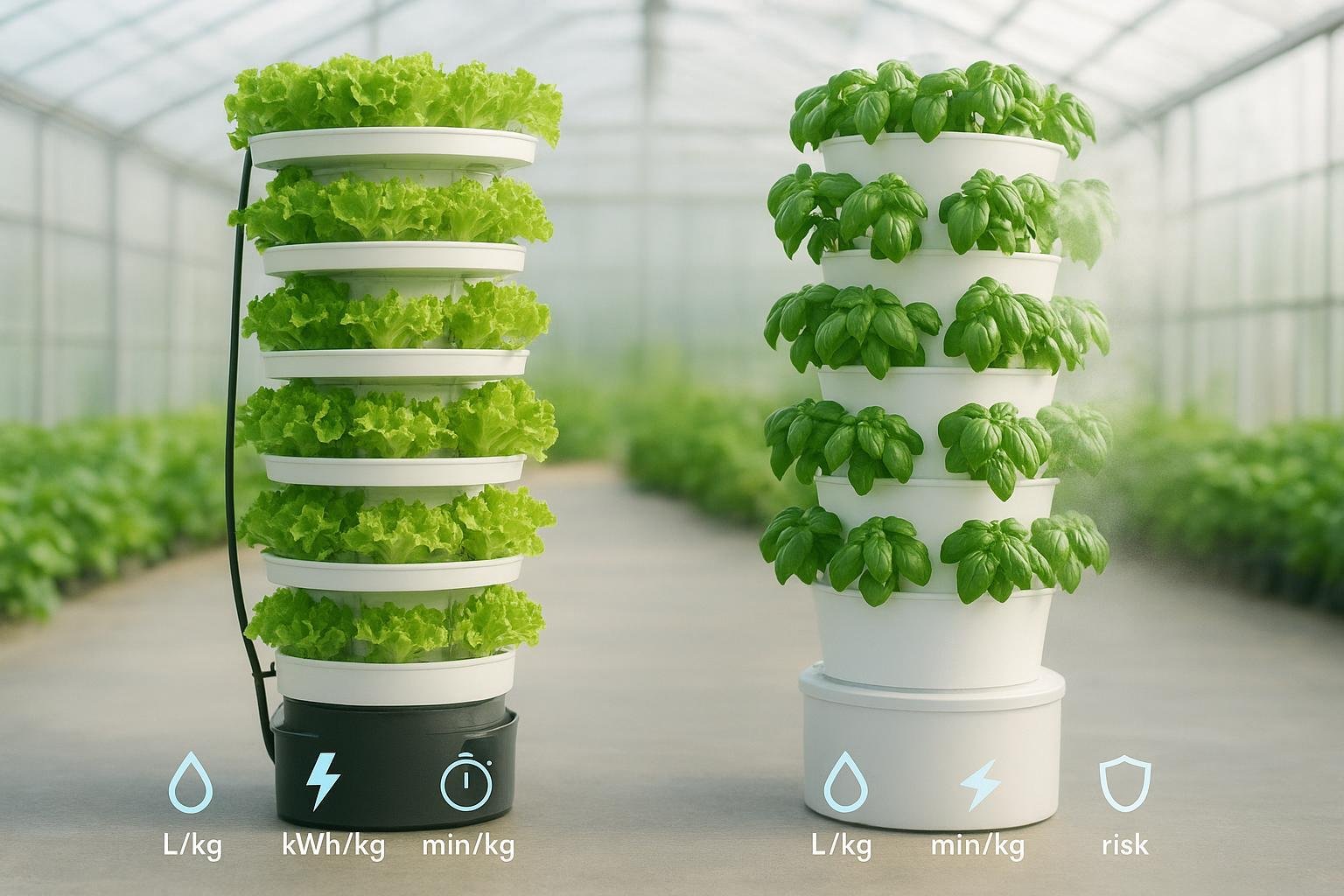 Hydroponic vs Aeroponic Towers (2026): Which System Is Better for Your Plants?
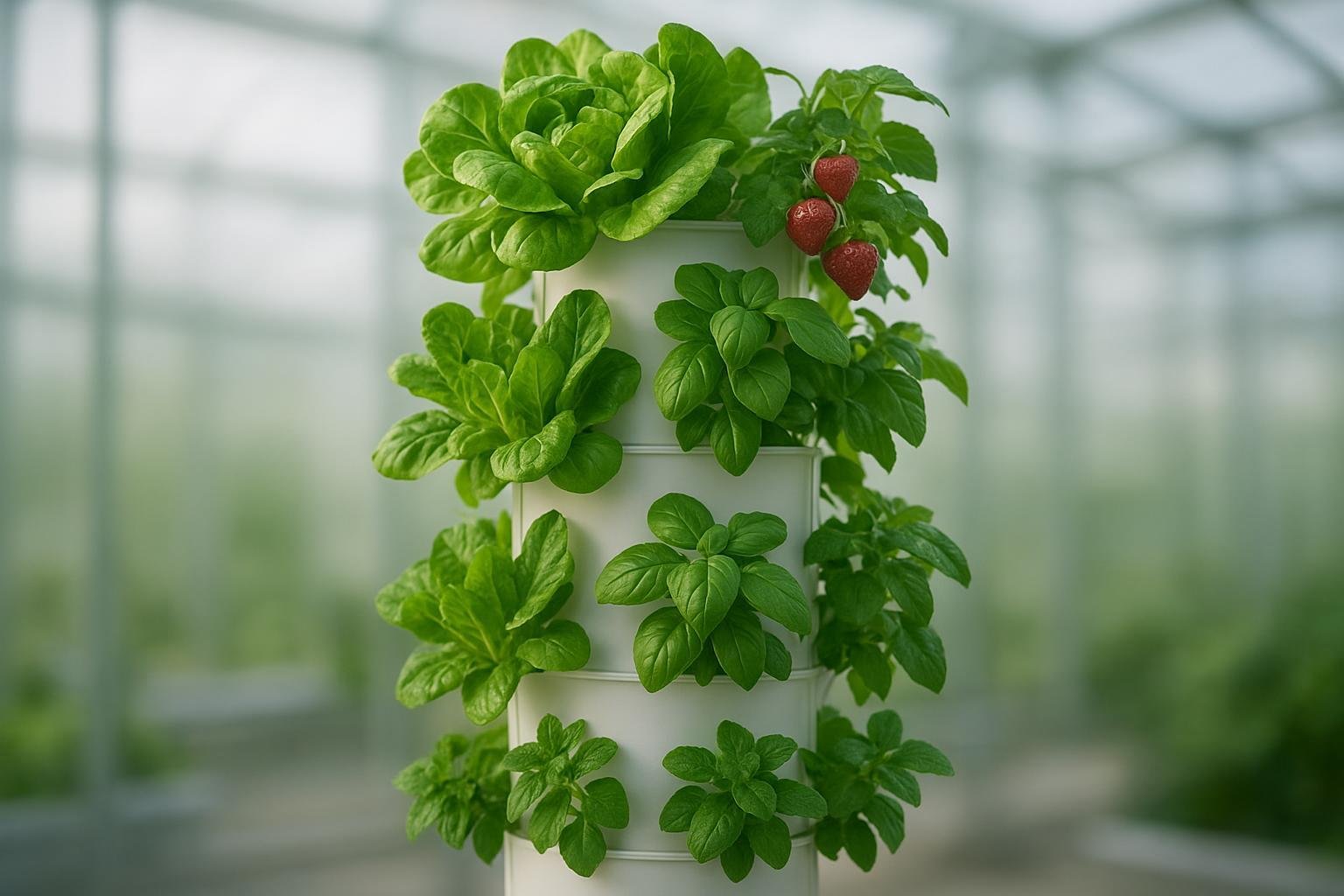 What Can You Grow in a Hydroponic Tower? 15 Best Plants for Vertical Growth
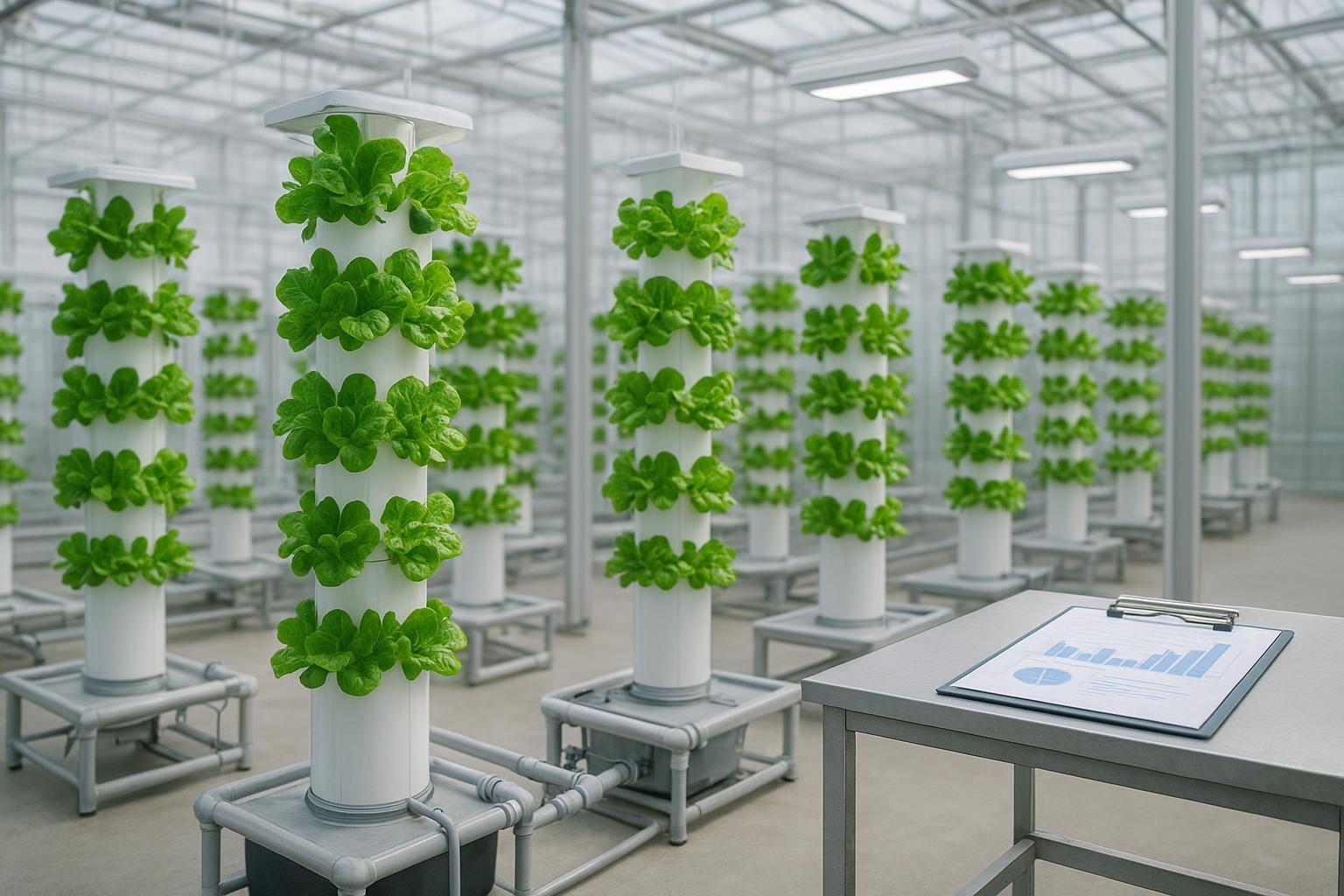 Hydroponic Tower Cost Analysis: Is It Worth the Investment? (Plus DIY Options)