
If you are new to vertical hydroponics, one of the most common questions you may ask is: what can you grow in a hydroponic tower?
The short answer is: quite a lot — but not everything.
Hydroponic towers are designed for space-efficient, soil-free growing. By delivering water, nutrients, and oxygen directly to plant roots, they allow certain crops to grow faster and more efficiently than in traditional soil gardens. However, plant selection plays a critical role in success.
In this guide, we will clearly explain what you can grow in a hydroponic tower, which plants perform best, which ones require more experience, and which crops you should avoid entirely.
Understanding How a Hydroponic Tower Supports Plant Growth
Before deciding what you can grow in a hydroponic tower, it is important to understand how the system works.
A hydroponic tower:
- Circulates nutrient-rich water from the top down
- Supports plants in small growing pockets
- Relies on vertical airflow and artificial or natural light
- Has limited space for root expansion
Because of this structure, the best plants for hydroponic towers are:
- Lightweight
- Shallow-rooted
- Fast-growing
- Harvested above ground
Plants that grow too large, too heavy, or require deep soil are generally unsuitable.
Leafy Greens: The Best Crops for Hydroponic Towers
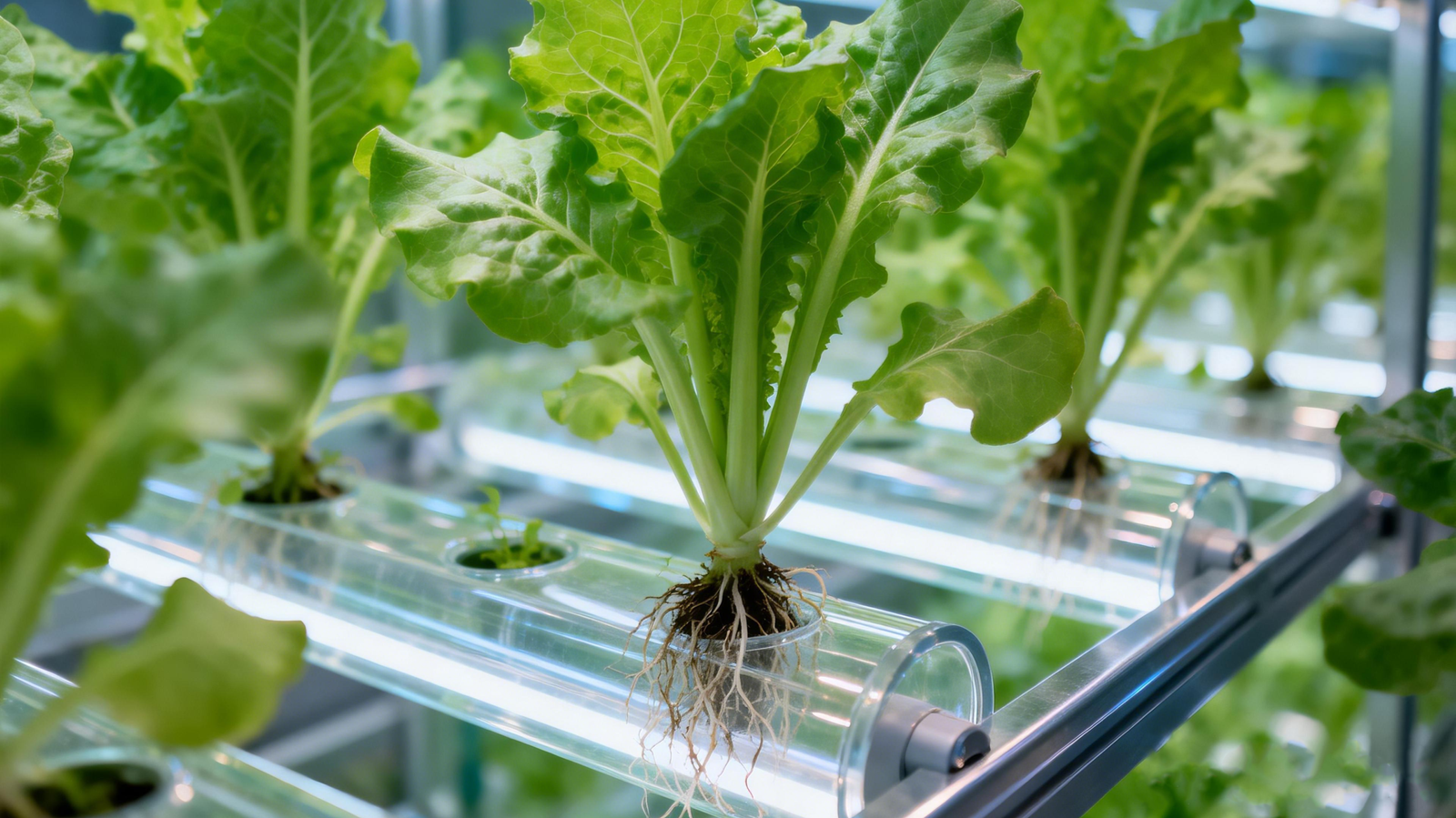
When answering what can you grow in a hydroponic tower, leafy greens are always at the top of the list.
These plants thrive in vertical hydroponic systems because they grow quickly and do not require large root systems.
Common leafy greens include:
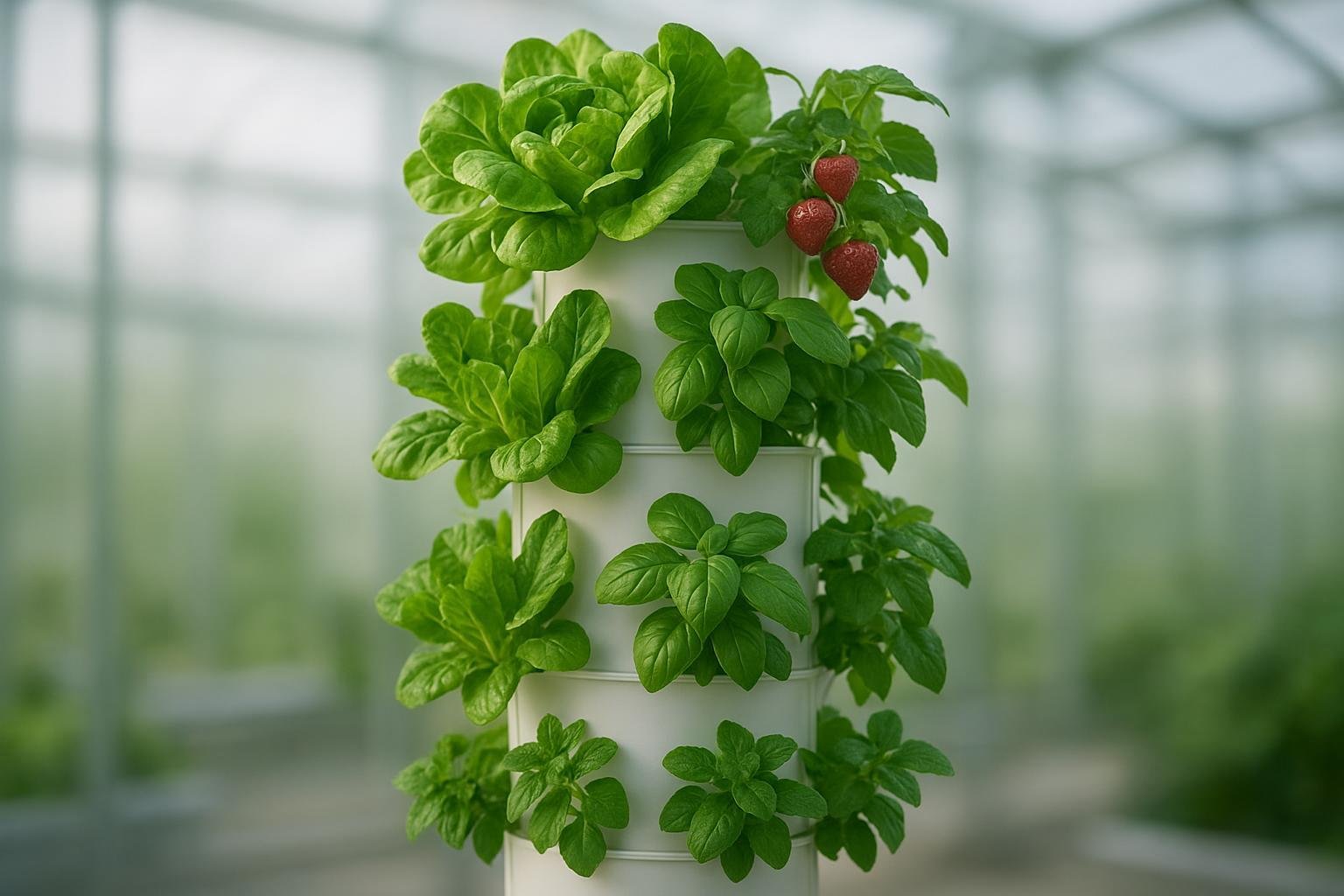
- Lettuce (romaine, butterhead, loose-leaf)
- Spinach
- Kale
- Arugula
- Swiss chard
- Asian greens such as bok choy and tatsoi
Leafy greens are ideal for beginners because they are forgiving and provide consistent harvests.
Herbs That Grow Well in a Hydroponic Tower
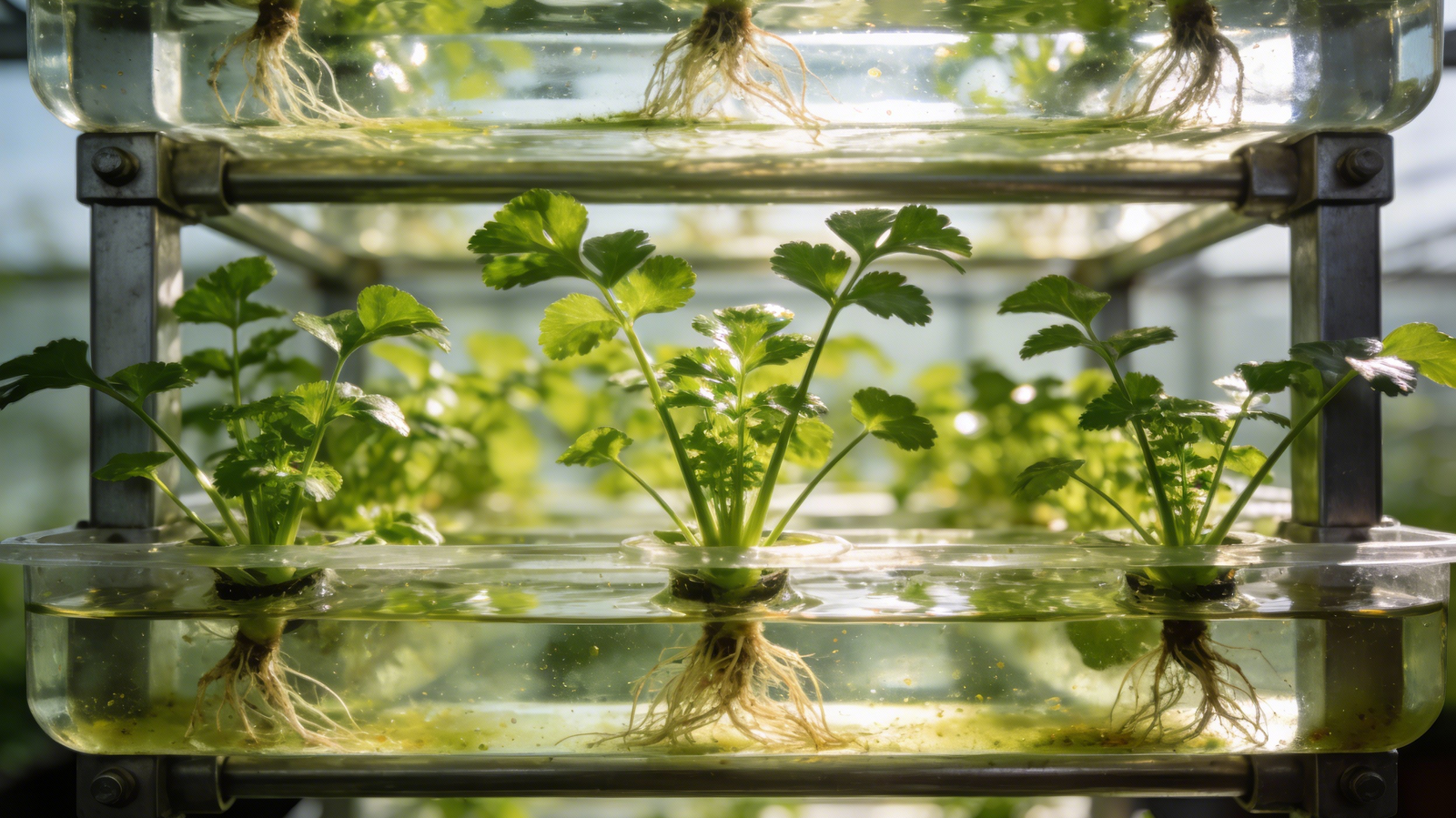
Herbs are another excellent answer to the question what can you grow in a hydroponic tower.
Most culinary herbs are compact, lightweight, and regenerate quickly after harvesting.
Popular hydroponic tower herbs include:
- Basil
- Mint
- Parsley
- Cilantro
- Dill
- Chives
- Oregano
Herbs also require relatively low nutrient concentrations, making them easy to maintain in a shared system.
Fruiting Plants You Can Grow in a Hydroponic Tower
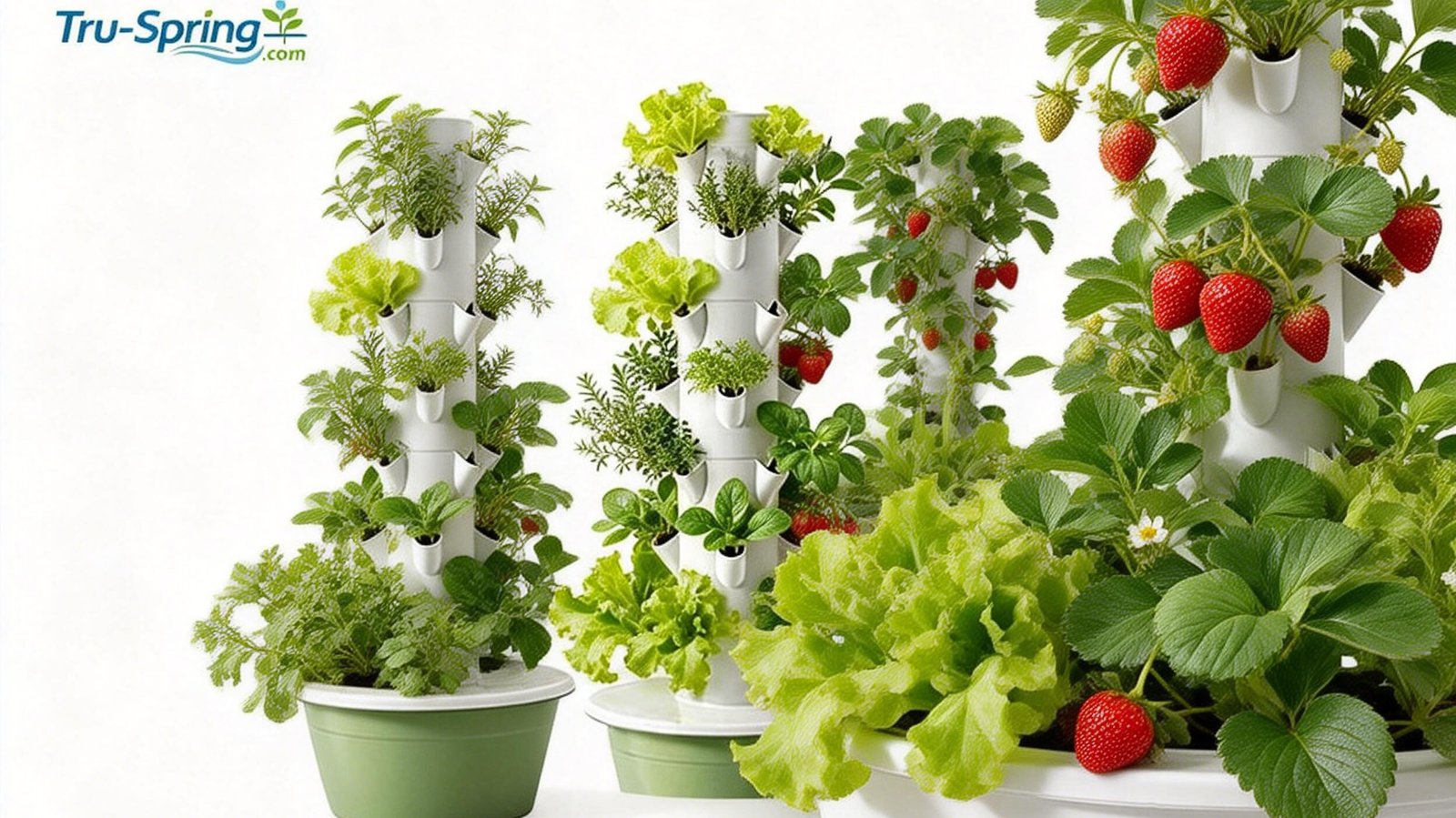
Some fruiting plants can be grown in hydroponic towers, but they require more attention than leafy greens or herbs.
Fruiting crops that work well include:
- Strawberries
- Cherry tomatoes
- Compact pepper varieties
These plants need:
- Strong lighting
- Careful nutrient balance
- Occasional pruning or support
While they are part of what you can grow in a hydroponic tower, they are better suited for intermediate growers.
Plants You Should Not Grow in a Hydroponic Tower
Knowing what not to grow is just as important as knowing what you can grow in a hydroponic tower.
Avoid planting:
- Root vegetables (carrots, potatoes, beets)
- Large squash or pumpkins
- Corn and grain crops
- Fruit trees or woody plants
These plants require deep soil, heavy structural support, or extensive root systems that hydroponic towers cannot provide.
How Plant Selection Affects Yield and Maintenance
Choosing the right crops directly impacts:
- Total harvest volume
- Maintenance time
- System stability
High-density crops like lettuce and herbs allow you to maximize planting sites, while fruiting plants reduce total plant count but increase crop variety.
For most growers, the best strategy is a mixed approach:
- Majority leafy greens
- Several herb varieties
- A few fruiting plants if conditions allow
Final Thoughts: What Can You Grow in a Hydroponic Tower?
So, what can you grow in a hydroponic tower?
The most reliable choices are leafy greens and herbs, while compact fruiting plants can be added with experience. Avoid large or root-heavy crops to ensure long-term success.
With proper crop selection, a hydroponic tower can provide fresh, nutritious food year-round in a small space — whether indoors or outdoors.
Related Posts
 Hydroponic vs Aeroponic Towers (2026): Which System Is Better for Your Plants?
 What Can You Grow in a Hydroponic Tower? 15 Best Plants for Vertical Growth
 Hydroponic Tower Cost Analysis: Is It Worth the Investment? (Plus DIY Options)